.svg)


For most of us, the word "cavity" comes with a sound: the whine of the drill. So it surprises a lot of patients to hear that some cavities can be treated without drilling, without a shot, and without removing any healthy tooth. The catch is timing. The earlier a cavity is found, the more options you have.
How a cavity actually starts
A cavity does not appear overnight. It starts when acids from plaque slowly pull minerals out of your enamel. At first, this creates a weak, chalky spot on the surface of the tooth, often too small to feel.
At this early stage, the enamel is weakened but has not broken down into a hole yet. That window is where no-drill treatment can do its best work. Once decay breaks through the enamel and reaches the softer layer underneath, the tooth usually needs a filling.
What Curodont does
Curodont is a treatment from vVARDIS, a Swiss company, designed for early cavities. It is a liquid that we apply to the weakened spot. It seeps into the enamel and forms a framework that helps your tooth draw minerals back in from your saliva.
In other words, instead of cutting away the weak area and replacing it with filling material, we help the tooth rebuild its own enamel. There is no drill, no numbing, and nothing to recover from. Most patients are surprised by how simple the visit is.
One of our patients, Dana B., put it simply after her visit: the treatment was "going to heal the cavity instead of forcing them to drill and fill."
Who is a good fit for no-drill treatment?
Curodont works best when decay is caught early. You may be a good candidate if:
- Your dentist has found an early cavity or weak spot in the enamel
- The decay has not broken through the enamel yet
- You want to keep as much of your natural tooth as possible
- You feel anxious about drills or needles
It is not the right choice for every tooth. A deep cavity, a tooth that already hurts, or a cavity that has formed a hole needs a different approach. In those cases, a dental filling is the more reliable fix.
Why early detection matters so much
Because no-drill treatment depends on catching decay early, the tools used to find it matter. We use digital X-rays together with Overjet AI, software that reviews your images and highlights areas that may be early decay or gum disease. It gives Dr. Bevan a second set of eyes on every image.
Regular dental exams are what make this possible. A weak spot found at a routine visit can often be treated with Curodont. The same spot found a year later may need a filling.
What about fillings we do need?
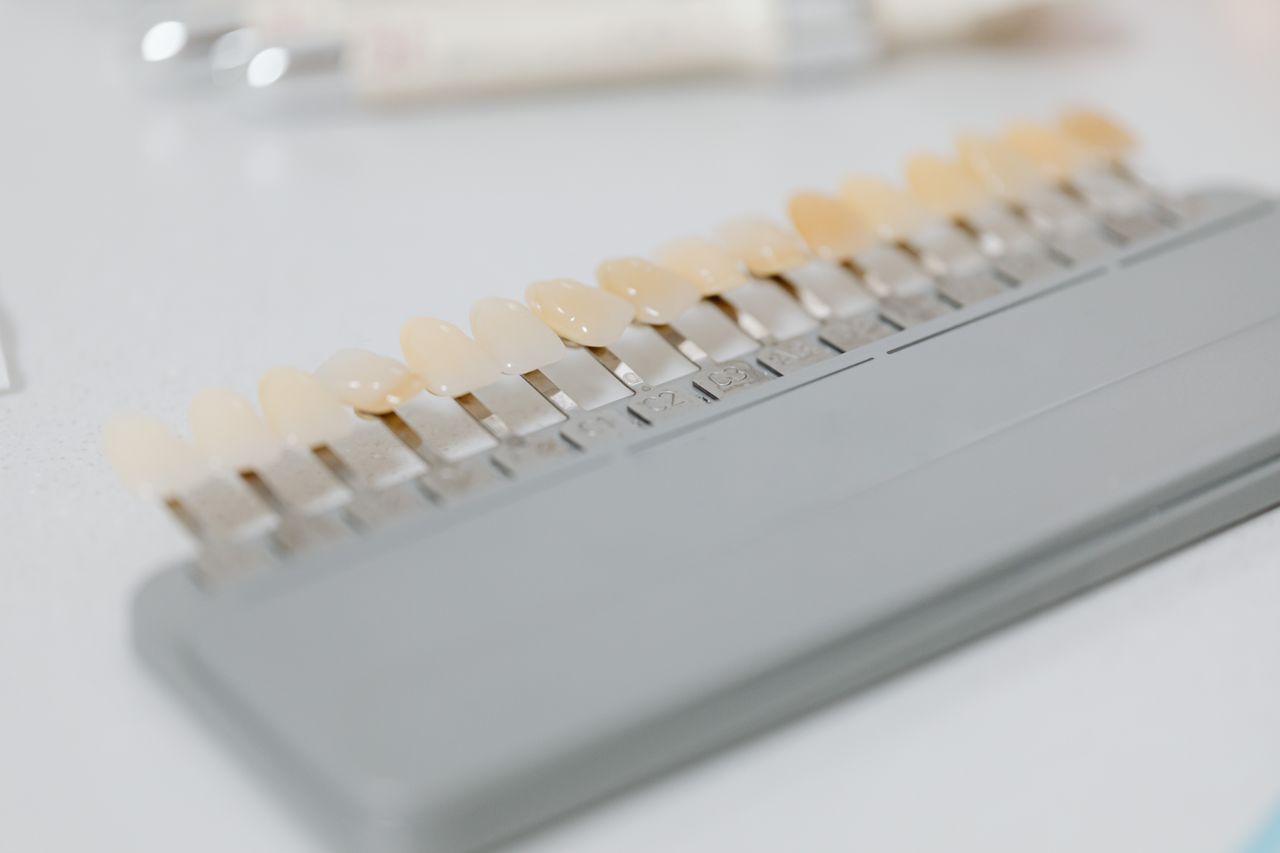
Sometimes a filling is still the right answer, and that is okay. When it is, we use tooth-colored materials and keep the preparation as small as we can. Our fillings also come with a 2-year warranty.
Dr. Bevan's approach is simple: if a tooth can be treated with less, he will tell you. If something can wait, he will tell you that too.
How to keep early cavities from coming back
No-drill treatment works best alongside good habits at home:
- Brush twice a day with fluoride toothpaste
- Clean between your teeth daily
- Limit sugary drinks and snacking between meals
- Keep up with regular dental cleanings
- Ask about fluoride treatment if you are prone to cavities
Curious whether your cavity can be treated without a drill?
Learn more on our no-drill fillings page, or talk to us directly. Call us at (707) 255-3007 or visit our contact page for more options.